Effective Identity and Access Management (IAM) is crucial for maintaining the security and efficiency of IT operations. By implementing advanced IAM strategies and solutions, organizations can enhance their security posture, improve operational efficiency, and achieve robust compliance with industry standards.
This guide explores the key components of IAM and its benefits, and best practices for planning and implementing an effective IAM strategy to support your organization’s security and compliance goals.
Identity and Access Management (IAM) is a framework of policies and technologies that ensures the right individuals have access to the right resources at the right times for the right reasons. It involves the management of user identities and their permissions to access specific systems and data within an organization.
IAM encompasses processes, policies, and technologies that help organizations secure and manage user identities and permissions.
IAM is crucial for cybersecurity because it:
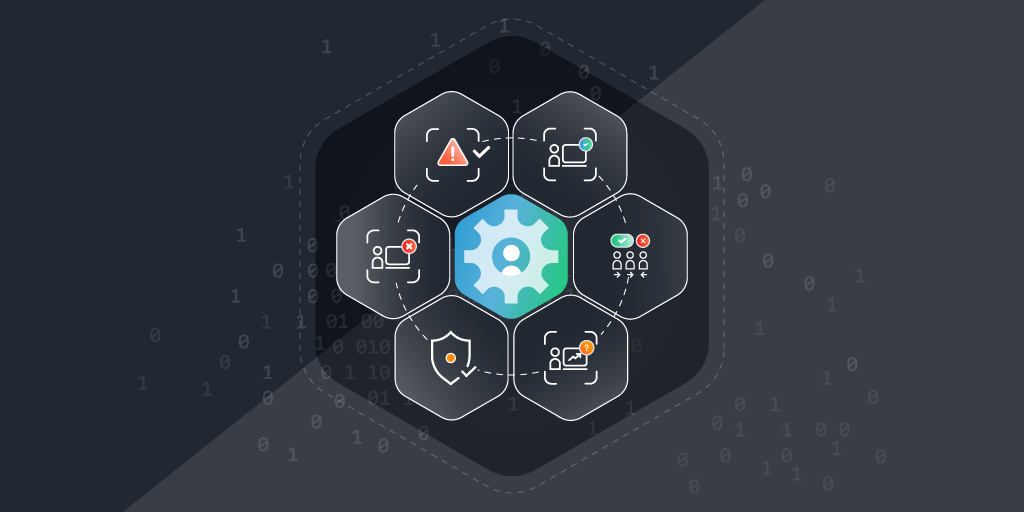
The four primary components of Identity and Access Management (IAM) are:
Organizations can use IAM to enhance their security posture, simplify user access management, and ensure compliance with regulatory requirements, ultimately leading to a more secure and efficient IT environment.
IAM systems significantly improve security by ensuring that only authorized individuals have access to sensitive data and critical systems. Through robust authentication mechanisms such as multi-factor authentication (MFA) and strict authorization policies, IAM helps prevent unauthorized access and reduces the risk of data breaches. Additionally, continuous monitoring and regular audits help identify and address potential vulnerabilities, ensuring that data remains secure and protected.
IAM simplifies the process of managing user access across an organization. By automating user provisioning and deprovisioning, IAM ensures that employees have the appropriate access rights when they join the organization and that these rights are promptly revoked when they leave. Role-based access control (RBAC) further streamlines this process by assigning permissions based on job functions, reducing the complexity of managing individual user permissions and improving overall efficiency.
IAM helps organizations comply with various regulatory requirements by providing detailed records of user access and activity. This visibility into who accessed what and when aids in demonstrating compliance with standards such as GDPR, HIPAA, and SOX. IAM systems can generate comprehensive reports that support audits and compliance reviews, ensuring that the organization adheres to legal and regulatory requirements and avoids costly fines and penalties.
Planning an IAM strategy starts with understanding your organization’s unique needs and goals. Choosing the right IAM tools is critical. Look for solutions that offer MFA, SSO and RBAC, and evaluate how well they integrate with your IT setup. Ensure they can scale with your organization and provide strong reporting and auditing capabilities to meet compliance and enhance security.
For effective IAM implementation, follow best practices. Start with a phased approach, focus on critical systems first, and expand controls gradually. Involve different departments, conduct regular user training on IAM policies, and emphasize strong password practices.
Continuous monitoring and regular audits are essential to identify and address vulnerabilities, keeping your IAM system effective and up-to-date. This approach boosts security, streamlines operations and supports compliance efforts.
Cloud settings present unique challenges, requiring robust IAM policies. Organizations must understand access needs and establish strict controls. Additionally, adopting a zero-trust security model enhances protection by continuously verifying identities and permissions.
Effective IAM integration with cloud service providers involves choosing compatible solutions. While native IAM tools are available, third-party solutions often offer more control, supporting seamless user provisioning and consistent access policies. Identity federation simplifies management by allowing access to multiple services with one set of credentials.
Managing cloud IAM’s complexity and scale is challenging. Adopting centralized IAM solutions ensures consistent policies across platforms. Compliance is maintained through robust auditing and reporting, while security risks are minimized by updating IAM policies, conducting frequent audits, and using measures like MFA and encryption. Understanding these considerations ensures robust and efficient IAM in cloud environments.
Effective IAM systems are essential for compliance with various standards and regulations, providing the necessary controls and transparency. Let’s take a closer look.
IAM systems enforce strict access controls, ensuring that only authorized individuals can access sensitive data and systems. This is vital for compliance with regulations like HIPAA, SOX, and PCI-DSS. MFA and SSO help verify user identities, providing an additional layer of security required by many regulatory frameworks. IAM also enables the implementation and enforcement of security policies that comply with regulatory standards, ensuring consistent application across the organization.
IAM systems generate detailed logs of user activities, providing a comprehensive record of who accessed what and when. This is essential for compliance audits and investigations. Pre-built and customizable reports help organizations demonstrate compliance with regulatory requirements by showing evidence of access controls, user activities, and policy enforcement. What’s more, continuous monitoring of user activities and access patterns allows organizations to quickly identify and address potential compliance issues.
IAM systems ensure that users have access only to the data they need for their roles, supporting the principle of data minimization under GDPR. They can help manage and track user consent for data processing activities, ensuring compliance with GDPR’s consent requirements, and they facilitate compliance with GDPR’s data subject rights by providing mechanisms for users to access their data and request erasure if necessary.
IAM also supports the use of encryption and anonymization techniques to protect personal data, further ensuring compliance with GDPR’s data protection requirements.
By automatically discovering and inventorying all devices and software across your network, Lansweeper provides a detailed and accurate view of your IT environment, ensuring that all assets are accounted for and properly managed. It provides continuous monitoring of user activities and access patterns, generating detailed logs and reports for continuous visibility into unauthorized access and potential security threats. Lansweeper’s comprehensive reporting capabilities facilitate compliance with various regulatory requirements, as well, by providing evidence of access controls and user activity.
Lansweeper augments IAM tools and technologies to enhance your overall IAM strategy. Together these solutions enable organizations to implement a robust IAM framework, improving security, operational efficiency, and regulatory compliance.
Learn more about how Lansweeper can strengthen your IAM strategy, enhance security, and streamline compliance in your organization.
Blog
Explore Lansweeper for free.
No credit card required.