

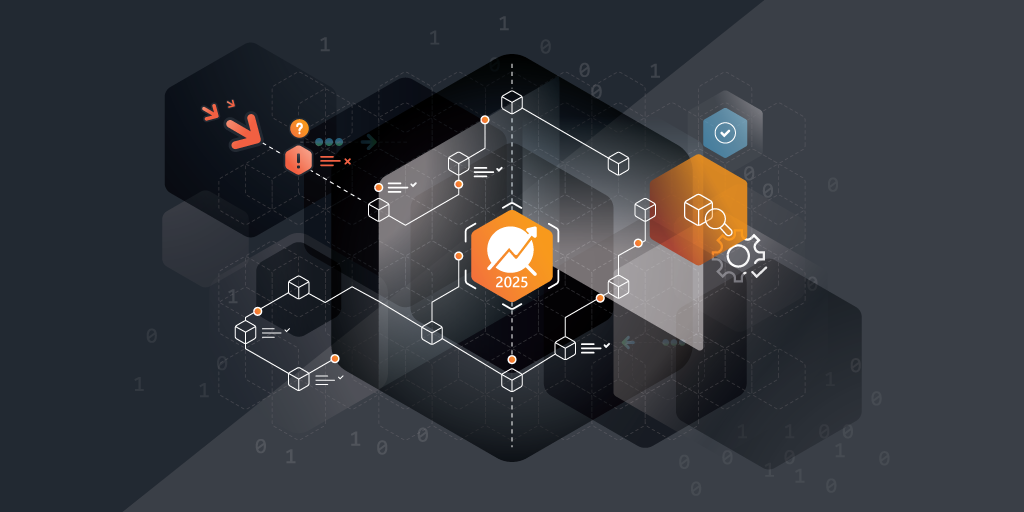
Cyber threats in 2025 are adapting to stronger defenses, evolving attack surfaces, and emerging technologies. Attackers are now leveraging AI, fileless malware, and sophisticated persistence techniques to exploit your vulnerabilities with greater precision. The standard antivirus protection you’re using just won’t cut it anymore. That’s where Endpoint Detection and Response (EDR) solutions come in. Cybercriminals may be getting smarter, but so are you. Let’s dive into the key trends shaping endpoint security in 2025 and how you can stay ahead of the game.
An endpoint security strategy is a comprehensive plan designed to protect your endpoint devices (laptops, desktops, mobile devices, servers, and even IoT devices) from cyber threats. These endpoints serve as gateways to your network, making them prime targets for attackers. A strong endpoint security strategy helps you stay secure and compliant by protecting sensitive data, keeping unauthorized users out, and blocking malware.
A well-structured endpoint security strategy should include:
Endpoint security is keeping pace with new attack vectors and technological advancements. One major shift is the move toward cloud-based security. It gives you the scalability and centralized management you need to protect a distributed workforce. With remote and hybrid environments becoming the norm, traditional on-prem solutions can’t keep up.
Another key development is Extended Detection and Response (XDR). By integrating endpoints, network, and cloud security, XDR provides you with a more complete view of threats across your organization. Instead of isolated security tools, your team now has unified visibility to detect and respond to sophisticated attacks.
Meanwhile, behavioral analytics is transforming threat detection. AI-driven security solutions now analyze patterns in user and device activity, spotting anomalies that signal potential threats. This proactive approach helps you identify risks before they escalate, reducing your reliance on signature-based detection alone.
A multi-layered defense strategy combines multiple security solutions to create a more resilient system. This includes:
Unpatched software remains one of the easiest ways for attackers to infiltrate your systems. Cybercriminals actively exploit known vulnerabilities in outdated applications to gain access to your sensitive data. To stay ahead:
But even the best patch management strategy won’t protect against human error. Phishing and social engineering tactics remain some of the most effective tools in an attacker’s arsenal. Regular security training helps employees recognize and respond to threats, while simulated phishing exercises provide a real-world test of awareness and preparedness. Enforcing strong password policies and encouraging multi-factor authentication (MFA) add extra layers of defense, making it that much harder for attackers to gain a foothold.
Endpoint security works best when people and processes work together to stay ahead of evolving threats.
With remote work becoming the norm, your mobile devices are prime targets for cybercriminals. They exploit weak security measures to access corporate data, often through unsecured connections or outdated apps. Protecting your endpoints means using Mobile Device Management (MDM) to enforce security policies, deploying endpoint security apps with anti-malware and firewalls, and ensuring secure VPN access when connecting over public networks.
Meanwhile, ransomware and advanced malware are getting smarter. Attackers use sophisticated encryption to lock you out of your own data, demanding payment for access. You can stay ahead by implementing endpoint backups for quick recovery, leveraging behavior-based threat detection to stop attacks before they execute, and enforcing least-privilege access controls to prevent malware from spreading.
Artificial intelligence (AI) is playing a crucial role in modern endpoint security solutions by:
With more IoT devices connecting to your network, the attack surface is expanding. Cybercriminals know these devices often lack strong security, making them easy targets. To stay ahead:
At the same time, cloud integration is reshaping endpoint security. As workloads move to the cloud, your security strategy must evolve. You can strengthen defenses by:
Looking ahead, predictive analytics and proactive threat hunting are becoming essential. AI-driven tools analyze attack patterns, identify high-risk endpoints, and automate threat response—helping you stop threats before they escalate.
As cyber threats become more sophisticated, endpoint security must evolve to protect businesses from advanced malware, ransomware, and targeted attacks. A multi-layered defense strategy, combined with cybersecurity EDR solutions and AI-driven analytics, ensures a proactive approach to threat detection and response. Staying ahead of emerging threats while meeting compliance regulations will be critical for securing endpoints in 2025 and beyond.
Lansweeper’s unrivalled asset discovery takes your security strategy to the next level. It provides real-time visibility into your IT assets, helping you identify vulnerabilities and manage your endpoints effectively. With complete insights into your network, you can prioritize patches, track asset configurations, and detect potential threats earlier. Want to see how Lansweeper can help improve your endpoint security? Request a free demo today and experience firsthand how it enhances your protection.
Blog


Explore Lansweeper for free.
No credit card required.