

Scanning Targets & Methods

Lansweeper Guide

Scanning Guide

Set up Lansweeper scanning according to your needs
  • Receive scanning recommendations
  • Learn which types of scanning are best suited to your needs
  • Scan in no time at all
  • Get your first scanning insights

Quick Resources

Credential-free Device Recognition

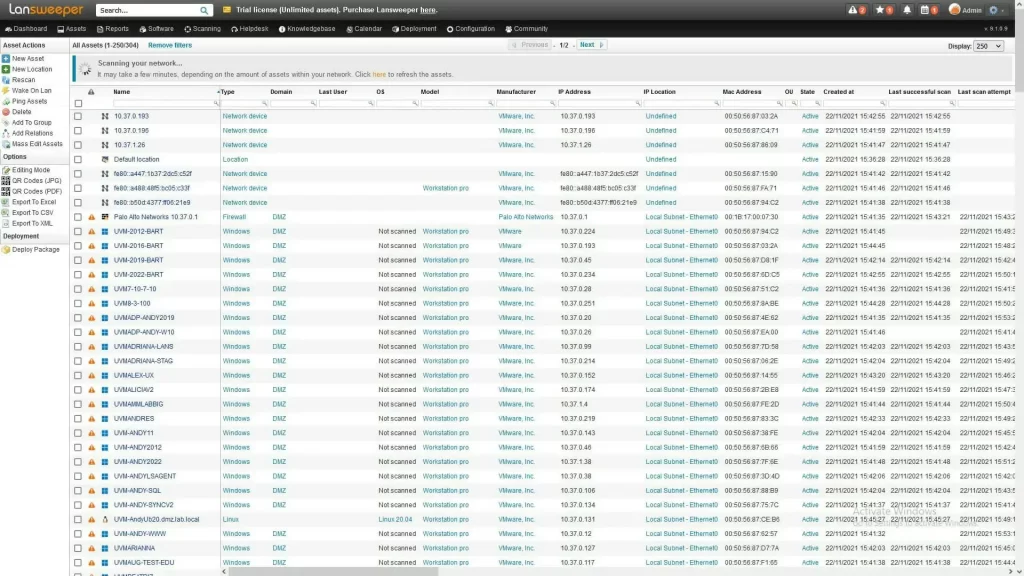
Recent Lansweeper installations will have Credential-free Device Recognition activated by default. When the Lansweeper installation finishes, the local IP Range is scanned using CDR and assets will be created and recognized without further intervention. Lansweeper can provide much more detailed information on an asset, either by Scan Server Scanning or installing an agent on the endpoint.
 

Scan Server Scanning

Scanning Servers use Scanning Targets, together with Credentials to scan endpoints without an agent. Two of the most commonly used targets are an IP Range Scan & an Active Directory Domain Scan.

Scan a Window Workgroup, Domain, or an entire AD Domain or just selected Sites, detecting newly logged-in endpoints and scanning automatically. After a Scanning Target is created, Credentials for each type of endpoint are created and mapped to the scanning target. The types of credential permissions needed are detailed in the Endpoint Requirements below – Each type of endpoint has specific requirements that must be met for a successful scan.

Asset Radar

Asset Radar is a special type of Lansweeper scanning, added and enabled by default to a Scanning Server. It works in conjunction with CDR to automatically identify assets, based on captured network subnet traffic. It works continuously and can alert you immediately to rogue or otherwise overlooked assets on the network.
Watch video
  • Introduction to Asset Radar

    Learn more
  • Network Scanning on Steroids: How Asset Radar Drives Complete Visibility

    Learn more

Agent-based Scanning

Lansweeper has 2 agents, LsAgent and LsPush. LsAgent is available for Windows, Mac, and Linux, while LsPush is Windows only.
Watch video

Performing More In-depth Scans

Once you’ve chosen and configured your scans, you can get started. Scan your assets with Lansweeper in no time at all!

Diving in with Fidelity Scanning

In addition to the previously mentioned Scanning Targets, additional scanning options are available.

  • Scanning registry values with custom registry scanning

    Learn more
  • Scanning file properties with custom file scanning

    Learn more
  • Managing how often specific data is scanned

    Learn more
  • Scanning extra SNMP data with custom OID scanning

    Learn more
  • How to scan performance information of Windows and Linux computers

    Learn more
  • Extended display scanning

    Learn more
OT Asset Management

OT Discovery​

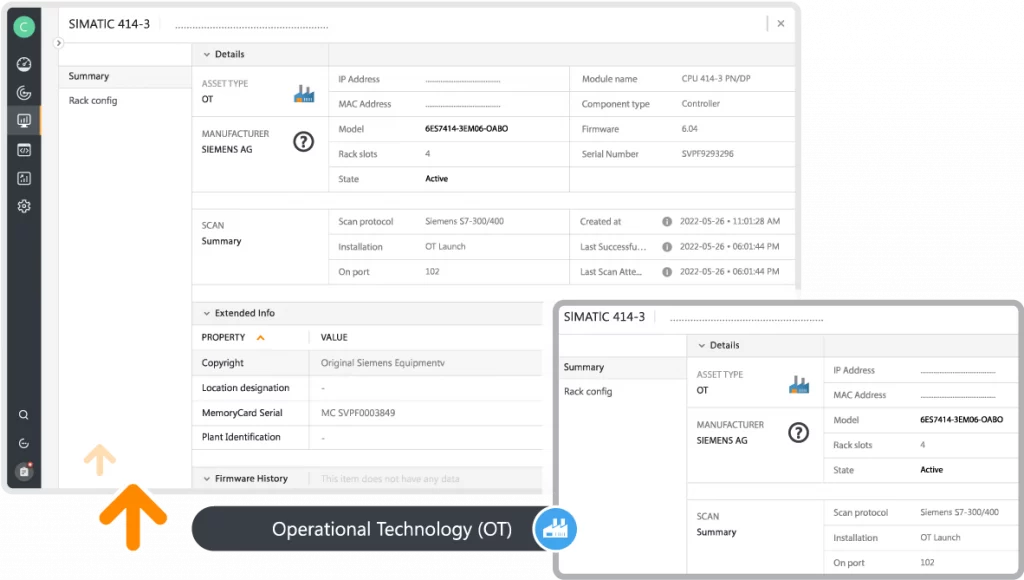
Scan devices from popular manufacturers leveraging specialized OT protocols.

Lansweeper OT enables organizations to scan, detect and identify a wide range of OT devices from popular manufacturers leveraging native OT protocols. Maintain a complete and accurate OT Inventory with detailed data about each device. Avoid vulnerabilities and attacks by remediating outdated firmware versions, reducing downtime, and optimizing the cost and performance of your OT.

Lansweeper Scanning Best Practices

  • Configuring the Lansweeper Scanner for Best Results
  • Setting up Asset Radar & CDR
  • Troubleshooting Scanning Issues with Devices

More resources

  • All Scanning Articles

    Have an additional question about scanning, not answered by this guide? View a complete list of scanning articles.

    View all articles
  • Troubleshooting

    Scanning not working as expected? Review our troubleshooting guide for tips on how to resolve the issue.

    View troubleshooting