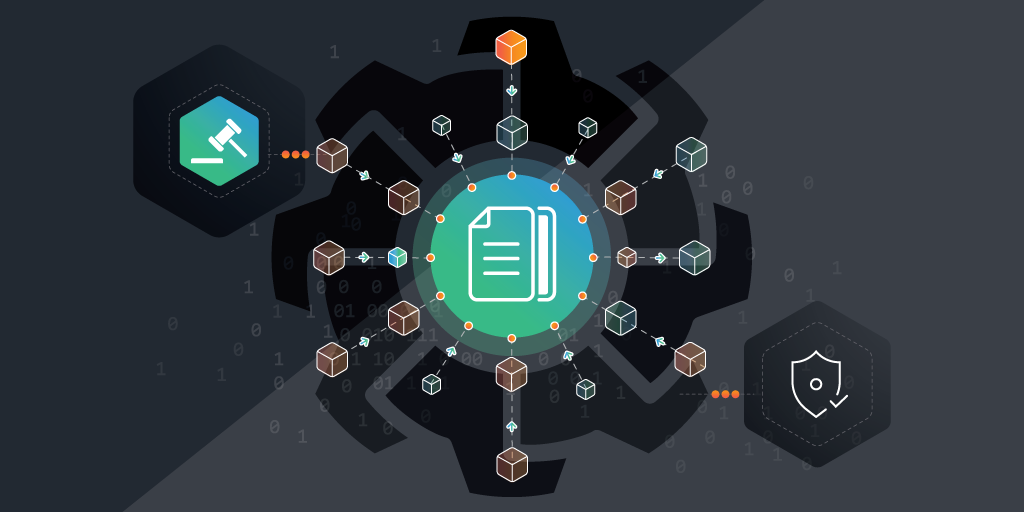
For IT teams managing sprawling, hybrid infrastructures, staying compliant with evolving regulations like SOC 2, ISO 27001, HIPAA, and PCI DSS has become increasingly complex . Manual compliance reporting processes, reliant on spreadsheets and periodic audits, not only drain resources but also leave organizations exposed to errors, delays, and costly penalties.
Automated compliance reporting tools transform this challenge into a strategic advantage by continuously discovering assets, monitoring configurations, and generating audit-ready reports in real time. This article explores how these tools revolutionize IT Asset Management (ITAM), helping organizations stay audit-ready, reduce risk, and optimize operational efficiency.
What Are Automated Compliance Reporting Tools and Why Do They Matter for IT Asset Management?
Automated compliance reporting tools help your IT team stay audit-ready while reducing manual work. These tools track and report on all IT assets to make sure you’re meeting standards like SOC 2, ISO 27001, HIPAA, and PCI DSS.
Key Features:
- Automatic asset discovery: Find hardware, software, cloud assets in real time
- Compliance checks: Compare assets against required regulations
- Real-time alerts: Get notified of config changes or compliance risks
- Audit-ready reports: Generate instant, standardized compliance documents
Why They Matter:
Traditional compliance reporting uses spreadsheets and periodic audits. It’s time-consuming and error-prone. Automated tools replace that with continuous monitoring and instant reporting, cutting down risk and admin effort.
Keeping track of IT assets and staying compliant with regulations is no small task these days. As IT systems grow more complex and the rules keep changing, trying to manage everything manually takes too much time, opens the door to mistakes, and can end up costing your organization more than you expect. Also, human error in data collection and reporting creates risks that can result in regulatory violations and financial penalties.
Today’s IT environments are spread across on-prem, cloud, and hybrid systems and they’re constantly changing. Keeping up manually just isn’t realistic anymore. With so many moving parts, organizations need smart, automated tools that can monitor everything in real time and help them stay compliant without missing a beat.
How Automated Compliance Reporting Tools Improve IT Asset Management
Automated compliance reporting tools fundamentally transform IT asset management by providing continuous visibility, reducing manual overhead, and ensuring consistent compliance across all technology resources. These improvements directly address the most common challenges your IT team faces while managing complex, distributed infrastructures.
Continuous Asset Discovery and Tracking
Traditional asset management relies on periodic manual audits that quickly become outdated. Automated tools continuously scan network environments to discover new assets, track changes, and maintain accurate inventories without human intervention.
Key capabilities that improve asset management include:
- Automated asset discovery: Continuously scans networks to identify all connected devices, software installations, and cloud resources
- Configuration monitoring: Tracks changes to system configurations and security settings in real-time
License management: Monitors software usage against licensing agreements to prevent violations - Vulnerability tracking: Integrates with security tools to maintain awareness of asset security status
- Compliance mapping: Automatically maps assets to relevant compliance requirements and controls
Streamlined Audit Preparation
Audit preparation traditionally represents one of the most stressful aspects of compliance management. According to industry research, organizations spend an average of 6–8 weeks preparing for major compliance audits when using manual processes. Automated tools reduce this timeline to days or hours by maintaining audit-ready documentation continuously.
The Compliance Automation Guide notes that organizations using automated tools can reduce audit preparation time by up to 75% while improving the quality and completeness of audit evidence.
What Features Should I Look for in Compliance Reporting Tools for IT Assets?
When evaluating automated compliance reporting tools, IT leaders should prioritize features that integrate seamlessly with existing infrastructure while providing comprehensive monitoring and reporting capabilities. The right tool combination can transform compliance from a burden into a competitive advantage.
Essential Integration Capabilities
Modern IT environments require compliance tools that work within existing technology stacks rather than replacing them. Look for solutions offering:
- API connectivity: Robust REST APIs enable automated data exchange with existing ITSM platforms, security tools, and monitoring systems. This connectivity ensures compliance data flows naturally through operational workflows.
- Native platform integrations: Pre-built connectors for popular platforms like ServiceNow, Lansweeper, and major cloud providers reduce implementation complexity and ensure reliable data synchronization.
- Directory service integration: Connection with Active Directory, LDAP, and identity management systems enables automated user access monitoring and compliance reporting for access controls.
Real-Time Monitoring and Alerting
Continuous monitoring distinguishes modern compliance tools from traditional periodic assessment approaches. Critical monitoring features include:
- Configuration drift detection—Identifies when systems deviate from approved configurations
- Threshold-based alerting—Notifications when compliance metrics exceed acceptable parameters
Automated remediation—Integration with configuration management tools to automatically correct compliance issues - Escalation procedures—Intelligent routing of critical alerts to appropriate personnel based on severity and availability
Customizable Reporting and Dashboards
Different stakeholders require different views of compliance data. Effective tools provide:
Role-based dashboards—Executive views focus on risk metrics and compliance status summaries, while technical dashboards provide detailed asset information and remediation guidance.
Framework-specific templates—Pre-built report templates for common standards like SOC 2, ISO 27001, HIPAA, and PCI DSS accelerate report generation and ensure completeness.
Automated scheduling—Regular report distribution to stakeholders without manual intervention maintains visibility and accountability.
Lansweeper Demo
See Lansweeper in Action
Sit back and dive into the Lansweeper interface & core capabilities to learn how Lansweeper can help your team thrive.
FAQ
-
What are the risks of improper IT asset disposal?
Improper disposal leaves organizations exposed on multiple fronts. Residual data, like credentials, sensitive files, or configuration details, can be exploited if devices fall into the wrong hands. Attackers often target discarded hardware to extract overlooked data or reintroduce the device into a network. Additionally, failure to securely dispose of assets can violate data protection laws, result in steep regulatory fines, and damage your organization’s reputation. Security doesn’t end when hardware is retired. Disposal is a critical final step.
-
Is wiping a hard drive enough to secure data?
In some cases, yes — but not always. Software-based wiping methods can effectively remove data from a drive that will be reused in a low-risk context. However, wiping may not be sufficient for drives containing regulated or classified data. Solid-state drives (SSDs), for instance, can retain data in inaccessible memory locations even after standard wipes. For sensitive environments, best practice often includes cryptographic erasure, degaussing, or physical destruction, followed by validation. The higher the data sensitivity, the more rigorous the sanitization method should be.
-
How do I verify that data has been properly sanitized?
Verification is key to proving due diligence. After sanitization, use verification software that checks for zeroed-out sectors or successful cryptographic erasure. When working with third-party disposal vendors, always request a certificate of data destruction that includes the asset’s serial number, sanitization method used, and chain of custody. For sensitive assets, consider dual-layer verification: internal confirmation using software tools and third-party certification from a certified disposal provider.
-
What regulations require secure IT asset disposal?
Multiple global and industry-specific frameworks require secure disposal of IT assets. The General Data Protection Regulation (GDPR) mandates the complete removal of personal data when it’s no longer needed. HIPAA requires health organizations to destroy patient data in a way that prevents reconstruction. The California Consumer Privacy Act (CCPA) imposes similar expectations for consumer data. Standards like NIST SP 800-88, ISO/IEC 27001, and PCI DSS all provide detailed guidance on media sanitization and end-of-life data handling. Ignoring these requirements can result in legal action, financial penalties, and reputational loss.
-
How often should IT asset disposal processes be reviewed or updated?
At a minimum, disposal policies should be reviewed annually or whenever there’s a change in data protection regulations, infrastructure architecture, or disposal technologies. Frequent updates ensure that your organization’s practices align with current compliance standards, threat landscapes, and sustainability goals. In dynamic IT environments, periodic reviews also help eliminate blind spots, uncover orphaned assets, and strengthen overall lifecycle governance.
-
Can IT asset disposal impact environmental compliance?
Yes, significantly. Many jurisdictions enforce strict regulations on e-waste to prevent hazardous materials from entering landfills or being exported to unregulated facilities. Failure to comply can result in environmental fines and legal consequences. Organizations are increasingly expected to partner with certified e-waste recyclers and maintain detailed documentation proving that their disposal methods are environmentally sound. Responsible disposal isn’t just a sustainability issue—it’s a legal and ethical imperative.