

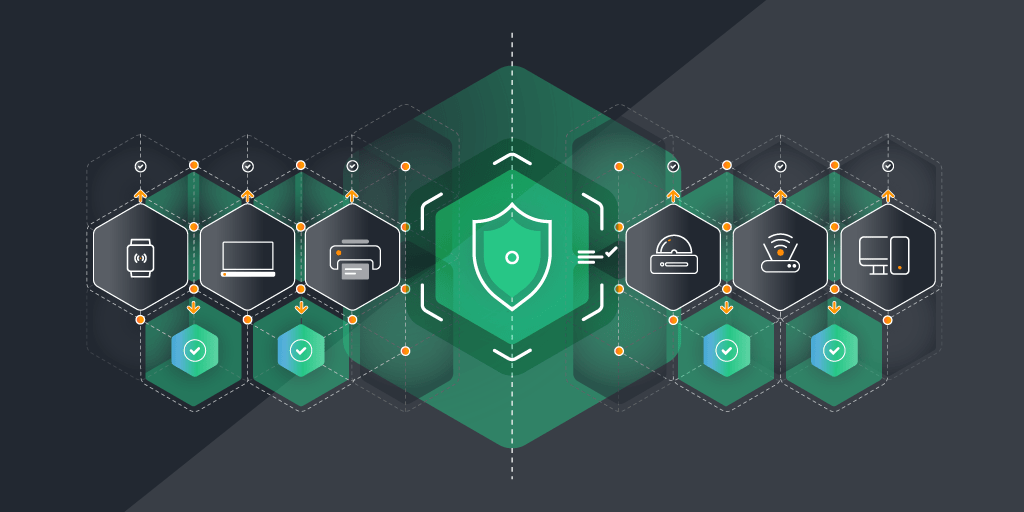
Unified Endpoint Management (UEM) refers to a comprehensive approach to managing and securing a variety of devices within your organization’s IT environment. This would include desktops, laptops, smartphones, tablets, and IoT devices. UEM solutions provide a centralized platform that allows you to monitor, manage, and secure endpoints seamlessly.
Some of the key benefits you’ll experience when implementing a UEM include enhanced security, improved compliance, and streamlined IT operations. By unifying your endpoint management tools, you streamline processes, making it easier to manage and oversee multiple devices within your organization. This simplification can reduce the administrative burden and make your overall system more efficient. Your organization can also use it to improve user experience, and ensure consistent security policies across all devices. UEM plays a pivotal role in modern IT infrastructure by enabling your IT department to manage a diverse and ever-growing array of endpoints efficiently.
Endpoint security is a significant challenge for organizations such as yours, given the increasing sophistication of cyber threats and the proliferation of devices. UEM solutions address these challenges by providing comprehensive security features that protect endpoints from vulnerabilities and attacks.
One of the primary features of UEM is real-time monitoring and threat detection. UEM tools continuously monitor endpoint activities, identifying suspicious behavior and potential threats. This proactive approach helps you to prevent security breaches before they occur. Additionally, UEM solutions offer automated patch management, which ensure that all endpoints are up to date with the latest security patches and updates.
Several leading UEM tools offer a range of features to help organizations manage and secure their endpoints effectively. Some of the top UEM solutions include Microsoft Endpoint Manager, VMware Workspace ONE, IBM MaaS360, and MobileIron. These tools provide capabilities such as device management, application management, security management, and analytics.
When selecting the right UEM solution, organizations should consider several evaluation criteria. These include the compatibility of the UEM software with existing IT infrastructure, the scalability of the solution to accommodate future growth, the ease of use for IT administrators and end users, and the robustness of the security features. Additionally, organizations should evaluate the cost effectiveness of the UEM solution and the level of customer support provided by the vendor.
Unified Endpoint Management (UEM) is considered more of a one-stop solution than Mobile Device Management (MDM) due to its comprehensive and integrated approach to managing various types of devices and endpoints within an organization. Here are the key reasons why UEM offers a more holistic solution:
Take control of your IT, OT, and IoT assets with Lansweeper’s comprehensive network management and asset discovery capabilities. Gain real-time insights, centralized control, and seamless coordination across your entire technology estate.
Go Unlimited for 14 days
2 weeks of unlimited scanning
Start now. Use when ready
No card required
Access all features
5-minute onboarding
Blog


Explore the full platform, free for 14 days.
No credit card required.